
As the winter chill settles in, many homeowners find themselves bracing for the inevitable spike in utility costs. The desire to maintain a cozy and inviting home often feels at odds to save energy, but achieving both is entirely possible with a strategic approach. High heating bills are often a sign of small inefficiencies throughout the property that can be corrected with minimal effort. By understanding how heat moves through your home and where it is most likely to escape, you can implement a plan that keeps your family warm while keeping your expenses low. Modern energy conservation is about being smarter with your resources, ensuring that every watt of electricity and every therm of gas is used as effectively as possible.
Seal the Envelope to Save Energy
The first step in any meaningful effort to reduce costs is to ensure that the heat you are paying for actually stays inside your living space. Most homes have small gaps and cracks around windows, doors, and utility penetrations that act like tiny exhaust pipes for warm air. To save energy effectively, you must address these leaks before the extreme cold arrives. Applying fresh weatherstripping to doors and using high-quality caulk around window frames will significantly reduce drafts. You should also pay attention to less obvious areas, such as the gaps around plumbing pipes under sinks or the entry points for electrical wiring in the attic. These hidden openings allow cold air to seep into your walls, forcing your furnace to work much harder to maintain a stable temperature. By sealing the “envelope” of your home, you create a more airtight environment that holds heat with much greater efficiency.
Mastering Your Thermostat for Maximum Efficiency
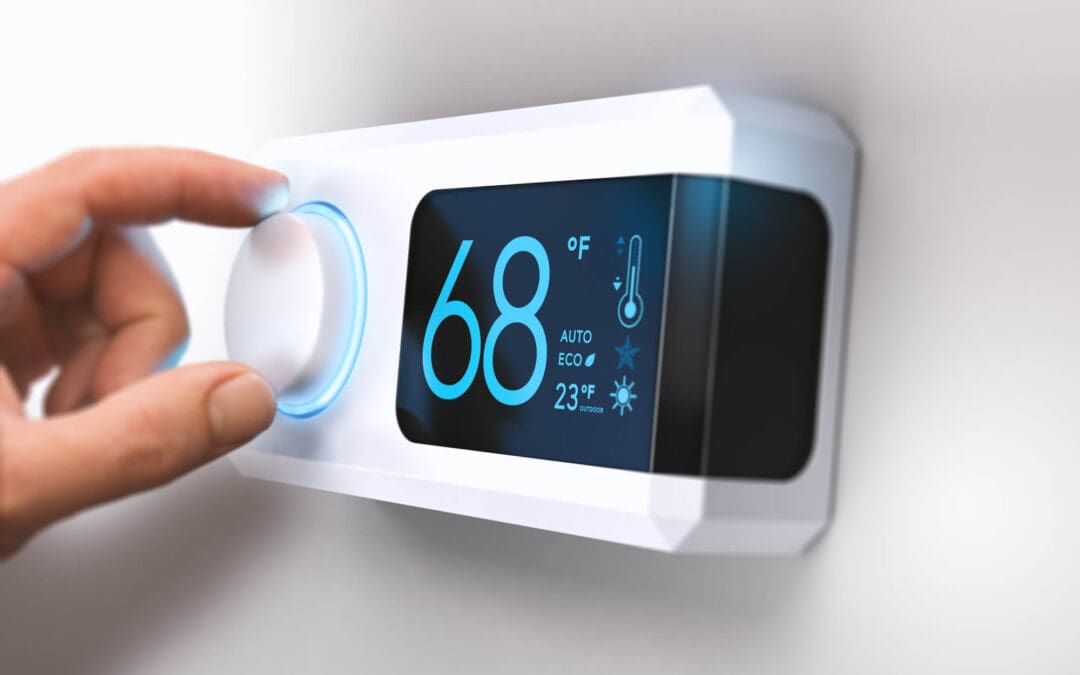
One of the most powerful tools in your arsenal is the thermostat. To save energy, you should aim for a consistent, moderate setting when you are at home and awake. Investing in a programmable or smart thermostat allows you to automate this process, lowering the temperature by several degrees when the house is empty or when everyone is asleep. These small adjustments could lead to substantial savings over the course of the winter. Additionally, you should avoid the temptation to constantly “tweak” the dial; maintaining a steady, slightly lower temperature is far more efficient than forcing the heating system to recover from drastic fluctuations throughout the day.
Optimizing Heating Systems to Save Energy
Your furnace or heat pump is the heart of your winter comfort, and keeping it in peak condition is essential for cost management. A neglected heating system has to work significantly harder to move air through dirty filters or clogged ducts, wasting power and shortening the equipment’s lifespan. Replacing your air filters every thirty to ninety days is the simplest way to save energy and improve the air quality in your home. Furthermore, you should ensure that all heat registers and radiators are clear of furniture and curtains. When a sofa or a long drape blocks a vent, the heat is trapped in a small area rather than circulating through the room, leading to cold spots and unnecessary thermostat adjustments. A professional annual tune-up will also identify minor mechanical issues that may be siphoning off efficiency, ensuring that your system is running as efficiently as possible.
Utilizing Natural Heat and Smart Lighting
The sun is a powerful and free source of heat, even during the shortest days of the year. You can save energy by simply opening your curtains and blinds on south-facing windows during the day to let the sunlight naturally warm your interior surfaces. Once the sun sets, closing those same window treatments provides an extra layer of insulation that helps trap the day’s warmth inside. Beyond heating, the winter months require more indoor lighting due to the limited daylight. Switching to LED bulbs throughout your home is a highly effective way to reduce your electrical load. LEDs use a fraction of the power of traditional incandescent bulbs and last significantly longer, making them a cornerstone of any modern energy-saving strategy. When combined with simple habits like turning off lights in unoccupied rooms, these changes contribute to a noticeable reduction in your monthly utility statement.
Frequently Asked Questions (FAQs)
Will using a space heater help me save energy?
Using a space heater can be an effective way to save energy if you practice “zone heating.” This involves turning down your central thermostat and only heating the room you are currently occupying. However, if you leave the central furnace at its usual setting and run a space heater simultaneously, your total energy consumption will increase.
Is it worth it to insulate my water heater?
If you have an older water heater that is warm to the touch, insulating it with a specialized fiberglass blanket can definitely help you save energy.
Do ceiling fans really help with heating in the winter?
Yes, ceiling fans are not just for summer. Most fans have a small switch on the motor housing that allows you to reverse the direction of the blades. By running the fan in a clockwise direction at a low speed, you create an updraft that pushes the warm air trapped at the ceiling back down into the living space.
Homeworx Services Inc. provides professional home inspections to homeowners and homebuyers in Northern Virginia. Contact us to request our services.