
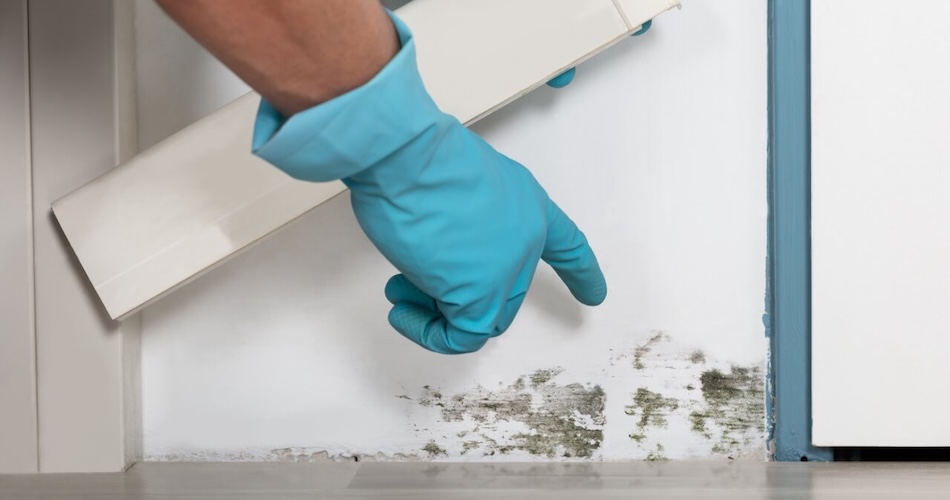
Mold grows behind walls, under floors, inside HVAC systems, and in crawl spaces, often for months or years before it becomes visible or begins producing the musty odor that finally triggers concern. By the time mold is obvious, it’s typically already a significant problem. Mold inspections are the diagnostic tool that takes the guesswork out of the equation, giving homeowners and buyers accurate, documented information about whether mold is present, where it is, and what’s creating the conditions that allow it to grow.
What Mold Inspections Actually Involve
A professional mold inspection is considerably more than a visual walkthrough looking for visible growth. A thorough mold inspection evaluates the entire home for conditions that support mold: moisture levels in walls, floors, and ceilings, humidity conditions throughout the space, evidence of past or current water intrusion, and visible growth in accessible areas. The inspector uses moisture meters to measure moisture content in building materials, a hygrometer to assess relative humidity, and often thermal imaging to identify cold spots where condensation accumulates behind finished surfaces. These tools allow a trained inspector to identify mold-conducive conditions even where no visible growth is present.
Air sampling and surface sampling are additional diagnostic tools used in mold inspections. Air samples capture mold spore concentrations indoors and compare them to outdoor baseline levels. Elevated indoor counts indicate active mold reproduction somewhere in the environment, even when the source isn’t visually apparent. Surface samples confirm the type and concentration of mold in areas of suspected growth. These samples are analyzed by an independent laboratory, providing objective data rather than relying on visual assessment alone.
When Mold Inspections Are Warranted
Not every home needs a mold inspection, but there are specific circumstances where arranging one is strongly advisable. Purchasing a home is the most common trigger for mold inspections. Mold damage can be expensive to remediate, and sellers aren’t always aware of conditions that may have contributed to hidden growth. A mold inspection during due diligence gives buyers the information they need before closing, to negotiate for remediation, or walk away from a property with serious issues. Any home that has experienced water intrusion warrants a mold inspection after the water source is addressed. Mold begins growing within 24 to 48 hours of moisture exposure and frequently establishes in wall cavities and structural assemblies that dry on the surface while remaining wet inside. Assuming water damage is resolved because visible water is gone is one of the most common mistakes that leads to serious mold problems.
Unexplained health symptoms, such as persistent respiratory irritation, allergy-like symptoms, or worsening asthma, that improve when an occupant leaves the home are a meaningful indicator that indoor air quality may be compromised. Mold inspections in these situations provide documentation needed to identify whether the home environment is contributing to health concerns.
What to Do With the Results
A mold inspection report documents findings and provides recommendations for remediation where mold is confirmed and for moisture control where conditions support future growth. The two are equally important; addressing visible mold without resolving the moisture conditions that produced it is one of the most common remediation failures. When mold inspections reveal significant growth, professional remediation by a licensed contractor is the appropriate response. Remediation involves containment to prevent spore spread during work, removal or treatment of affected materials, and addressing the moisture source to prevent recurrence. The company conducting your mold inspection should not be the same company offering to remediate. This conflict of interest undermines the objectivity of the assessment.
Frequently Asked Questions (FAQs)
How long does a mold inspection take?
A standard residential mold inspection takes two to four hours, depending on the home’s size and complexity. Larger homes or properties with significant crawl space or attic area may take longer. Laboratory results from air and surface samples typically return within two to five business days, at which point the inspector provides the full report with findings and recommendations.
Can I test for mold myself with a home test kit?
Home mold test kits can confirm the presence of mold spores but have significant limitations. They cannot identify where mold is growing, what conditions are causing it, or whether concentrations are elevated relative to outdoor baselines. For a home purchase, insurance claim, health concern, or any situation where documented results matter, professional mold inspections provide the reliability and credibility that home kits cannot.
What’s the difference between a mold inspection and a mold test?
A mold inspection is a comprehensive evaluation of the home’s condition, moisture levels, and potential mold presence performed by a trained professional. A mold test refers specifically to the sampling and laboratory analysis that may be part of an inspection. Mold testing without a full inspection provides data without context.
If mold is found, do I have to remediate immediately?
Urgency depends on the extent of the mold, its location, and whether anyone in the household has health sensitivities. Small isolated surface mold is a lower priority than active growth in the HVAC system, which distributes spores throughout the home with every cycle. Significant mold in living areas or in homes with vulnerable occupants warrants prompt remediation.
Homeworx Services Inc. provides professional home and mold inspections to homeowners and homebuyers in Northern Virginia. Contact us to request our services.