
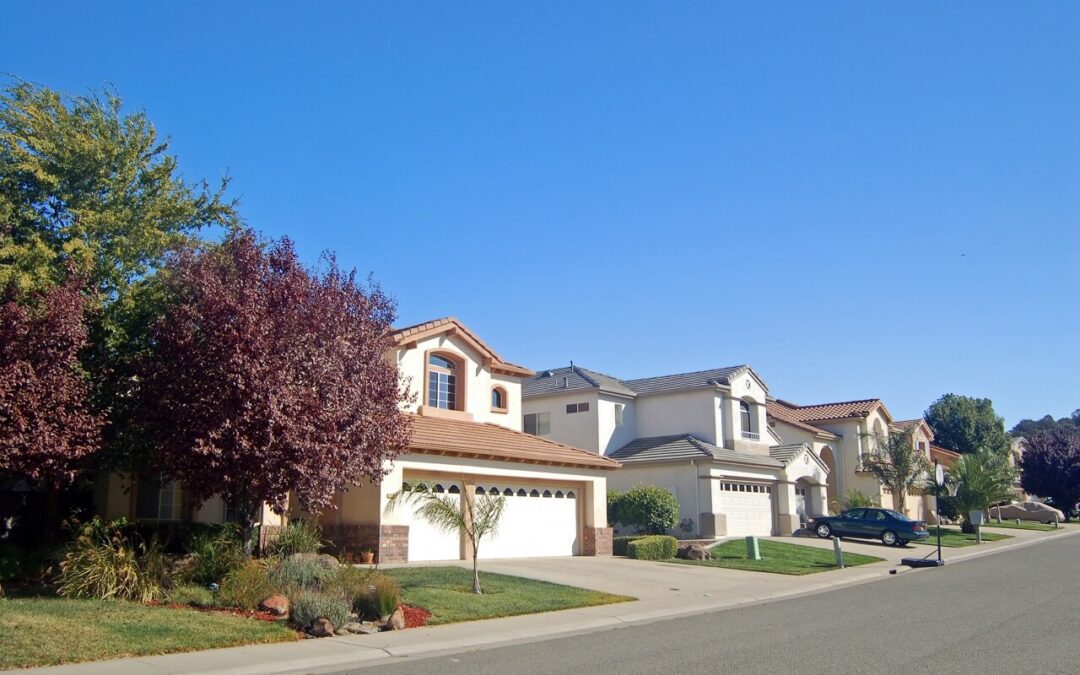
Knowing how to identify a good neighborhood is one of the most important skills a homebuyer can develop. Most buyers spend significant energy evaluating the home itself and relatively little evaluating the context it sits in, despite the fact that neighborhoods are far harder to change than houses. You can renovate a kitchen, replace a roof, and update a bathroom. You can’t move a school district, change a commute, or relocate a community. The characteristics that define a good neighborhood are the ones that will shape daily life for years after the purchase, and learning to assess them before making an offer is worth significant attention during the search process.
What Makes a Good Neighborhood Worth Buying Into
A good neighborhood isn’t defined by a single characteristic; it’s defined by a combination of factors that determine whether the area supports the quality of life and long-term value buyers are seeking. Some are objective and measurable; others are observed during site visits. Both types matter. School quality is one of the most consistent predictors of neighborhood stability and long-term property value, not only for buyers with children, but for all buyers who will eventually sell. Homes in highly rated school districts hold their value more reliably and attract a broader pool of buyers at resale. School ratings are publicly available, but conversations with current residents give a more textured picture than numbers alone. Crime statistics are another measurable indicator, available through police department websites and city portals. Looking at the trend over time is more informative than a single snapshot. Property condition throughout the neighborhood is immediately observable during a drive or walk. Are homes well-maintained? Are yards tended? A good neighborhood doesn’t require perfection, but a general standard of care signals residents are invested in their community.
How to Research a Good Neighborhood Before You Offer
Research tools available to today’s homebuyers make neighborhood due diligence more thorough than ever. Walk the neighborhood at multiple times of day and on different days of the week. A block that feels quiet on a Tuesday afternoon may have a different character on a Friday evening. Observe traffic patterns, foot traffic, and general activity. The lived experience of a good neighborhood is felt through time spent in it. Talk to people who live there. Neighbors encountered during a walk are often candid about what they love and what they’d change, information no website provides. Research planned development and zoning changes in the area. A neighborhood could be significantly altered by nearby commercial development or rezoning, and these plans are typically on file with the local planning department before they’re visible on the ground. Understanding what’s proposed within a half-mile of a target home is due diligence that protects against surprises after closing.
The Amenities and Walkability
The amenity profile of a neighborhood, its proximity to parks, grocery stores, restaurants, transit, and everyday services, is increasingly weighted by buyers and consistently correlates with long-term value appreciation. Walkability isn’t just a lifestyle feature; it’s an economic indicator. Neighborhoods with high walkability scores consistently command price premiums and demonstrate stronger value retention through market cycles. Walk Score provides a useful baseline, but walking the area personally produces a better sense of what’s accessible and what a good neighborhood actually feels like daily. The presence of third places, such as coffee shops, libraries, parks, and community gathering spaces, where residents interact casually, is one of the less quantifiable but most telling characteristics of a genuinely good neighborhood. Communities where people know each other and spend time together produce the social fabric that makes a neighborhood feel like more than a collection of houses.
Frequently Asked Questions (FAQs)
How important is school quality when evaluating a good neighborhood if I don’t have children?
More important than most childless buyers assume. School district quality is one of the most reliable predictors of long-term property value and resale demand. Homes in strong school districts attract a larger buyer pool, which supports value stability and sale velocity when you eventually sell.
How do I find reliable crime data for a neighborhood I’m considering?
Most municipal police departments publish crime statistics on their websites. City open data portals often provide more granular, mappable data. Sites like CrimeMapping.com and NeighborhoodScout aggregate publicly available data in accessible formats. Look at both current data and the trend over the past two to three years.
What are the signs of a neighborhood in decline that I should watch for?
Consistent signs include a high proportion of homes for sale simultaneously, increasing vacancy rates, deferred maintenance across multiple properties, the closure of retail and services, and declining school enrollment. None individually is conclusive, but a pattern of several together warrants serious consideration. A conversation with a longtime local resident often surfaces the community’s honest assessment faster than data alone.
How can I evaluate a neighborhood for long-term investment value?
Look at historical price appreciation data for the specific zip code; real estate sites like Zillow and Redfin track median sale price trends over time. Compare against the broader metro area to see whether the neighborhood is outperforming or underperforming the market. Planned infrastructure investment is often a leading indicator of future appreciation.
Homeworx Services Inc. provides professional home and mold inspections to homeowners and homebuyers in Northern Virginia. Contact us to request our services.