
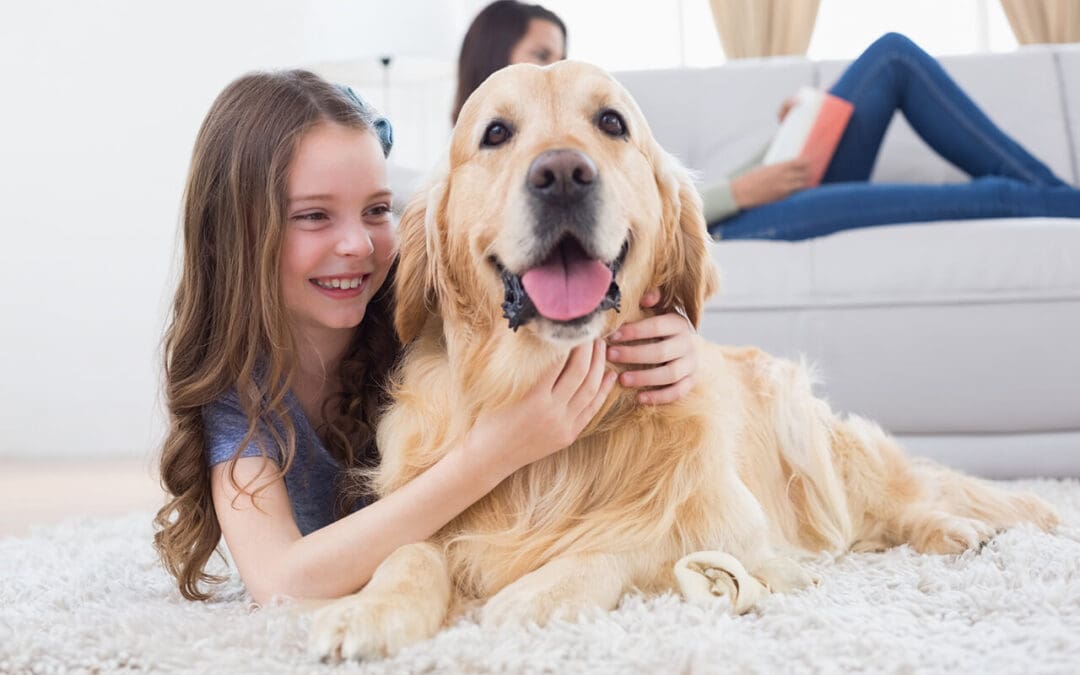
Cleaning tips for pet owners address a different category of challenge than standard household cleaning. They involve dander that circulates through the air and settles on every surface, odors that penetrate upholstery and flooring at a molecular level, and hair that finds its way into places that seem physically impossible. The cleaning tips that produce the most lasting results are those that address these sources systematically rather than managing their surface expressions after the fact.
Cleaning Tips for Pet Owners: Managing Hair
The most effective cleaning tip for pet owners managing shedding is to intercept hair before it distributes through the home. Regular brushing, done outside or in a contained area rather than on furniture, dramatically reduces the volume of hair that ends up on floors, upholstery, and bedding. A slicker brush or deshedding tool used consistently during heavy shedding seasons produces a more dramatic reduction in household hair than any cleaning product. For the hair that does make it onto surfaces, a vacuum with a HEPA filter and a motorized brush roll is the tool pet owners consistently find most effective. Standard attachments push hair around without capturing it; the motorized brush roll agitates carpet fibers and upholstery to bring hair to the surface. On hard floors, an electrostatic dry mop or microfiber flat mop collects hair without scattering it, which a broom doesn’t do as effectively.
The Cleaning Tips for Pet Owners That Address Odor at the Source
Air fresheners cover pet odor temporarily, the odor compounds remain in the fabric and carpet, and the masking effect fades quickly. The cleaning tips that actually eliminate odor address the organic compounds that cause it. Enzymatic cleaners contain enzymes that break down the proteins and bacteria in pet waste, urine, and dander, rather than simply covering them. Applied to the affected area and allowed to dwell before blotting, an enzymatic cleaner addresses pet odor in a way that standard cleaners don’t. For upholstery and carpet between deeper cleanings, baking soda applied liberally, allowed to sit for several hours, and thoroughly vacuumed removes residual odor effectively.
Hard Floors, Upholstery, and the Surfaces Pet Owners Clean Most
Hard surface floors are significantly easier to keep clean in a pet household than carpet. For pet owners with carpet, area rugs over hard flooring provide softness with the cleanability of a surface that can be taken outside or professionally cleaned periodically. Upholstered furniture captures hair, dander, and odor simultaneously. Washable slipcovers that can be laundered weekly address all three at once. Furniture with tightly woven fabrics or leather surfaces is significantly easier to clean than open-weave or velvet upholstery. A rubber glove dampened with water and run across upholstery collects embedded hair with surprising efficiency, one of the simplest cleaning tips for pet owners maintaining furniture between deeper cleanings.
Frequently Asked Questions (FAQs)
How often should pet owners vacuum to stay ahead of hair and dander?
Two to three times per week keeps hair and dander manageable in homes with one or two moderate shedders. Heavy shedders or multi-pet households may need daily vacuuming during peak seasons.
What’s the best way to remove pet urine odor from carpet?
Blot, never rub, as much liquid as possible immediately. Apply an enzymatic cleaner formulated for pet urine and allow it to dwell for 10 to 15 minutes before blotting again. The enzyme needs contact time to break down urine compounds. Avoid steam cleaning over urine that hasn’t been fully treated with an enzymatic cleaner; heat sets the proteins that cause odor rather than removing them.
Are there flooring types that are easier to keep clean in a pet household?
Luxury vinyl plank is consistently the top recommendation: fully waterproof, scratch-resistant enough for most dog nails, and easy to clean without special products. Tile is similarly easy to clean but can be cold underfoot. Hardwood is susceptible to scratch damage from nails and water damage from accidents if not addressed immediately.
How do I keep my HVAC system cleaner in a pet household?
Upgrading to a MERV 11 or higher-rated filter captures a significantly broader range of particles, including pet dander, than standard filters. Replacing it every 30 to 45 days prevents the clogged filter condition that forces the system to recirculate rather than capture. Vacuuming return air grilles monthly removes accumulated pet hair before it enters the duct system. A HEPA air purifier in rooms where pets spend the most time adds a second filtration layer the HVAC system alone doesn’t provide.
What cleaning products should pet owners avoid using around their animals?
Phenols, found in many pine-based cleaners, are toxic to cats. Bleach and ammonia produce fumes that irritate the respiratory systems of pets and humans alike. Essential oils, including tea tree, eucalyptus, and citrus oils, are toxic to cats and can be harmful to dogs in concentrated form. Pet-safe products using hydrogen peroxide or plant-based surfactants as active ingredients are widely available and effective for most household cleaning tasks.
Homeworx Services Inc. provides professional home and mold inspections to homeowners and homebuyers in Northern Virginia. Contact us to request our services.