
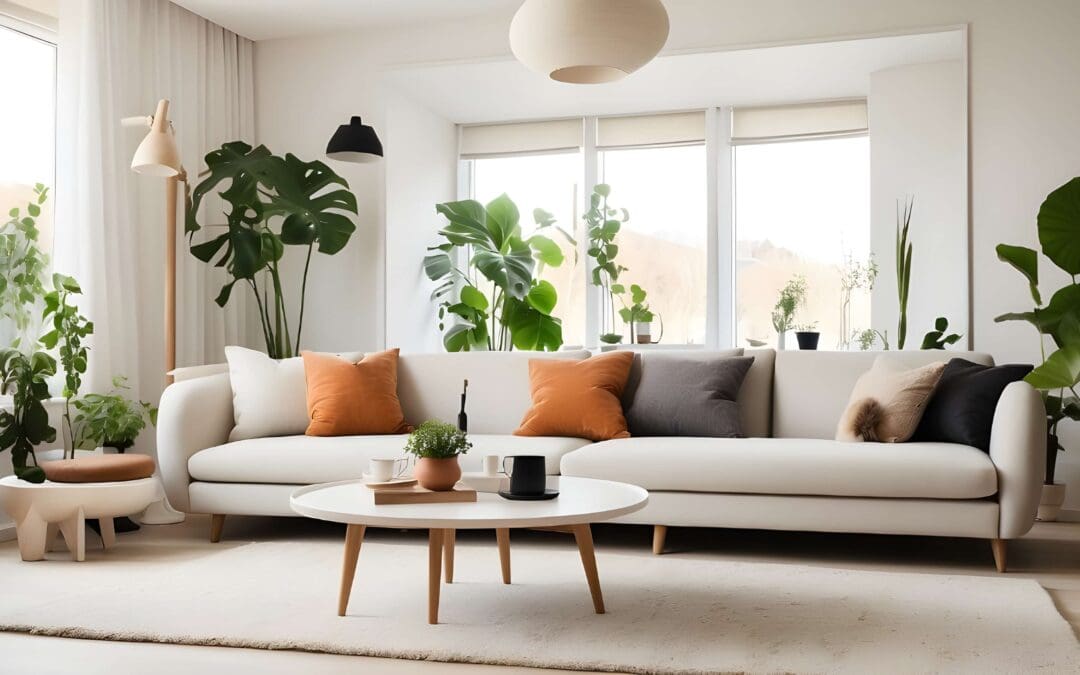
Comfortable living spaces are the result of understanding how the elements of a room work together to support the way the people in it actually live. A room can have beautiful finishes and high-end furnishings and still feel stiff or unwelcoming if the scale is wrong, the lighting is harsh, or the layout doesn’t support the activities that take place in it.
The Elements That Make Comfortable Living Spaces Work
The furniture arrangement is the element that most directly determines how comfortable a living space feels, most frequently handled by pushing everything against the walls to maximize open floor space. This instinct works against comfort: furniture pulled away from the walls and arranged into a defined conversation zone creates a sense of enclosure and intimacy that wall-hugging arrangements don’t. Scale matters as much as arrangement: a sofa too low to the floor, a coffee table that requires leaning forward uncomfortably to reach, or a rug too small to anchor the seating group all undermine comfort regardless of individual quality. Pieces should feel appropriately sized for the room and for each other, and the proportions of the arrangement should feel balanced rather than accidental.
Lighting Details Most Often Overlooked
Lighting is the variable that most dramatically affects how a room feels at different times of day. A room lit only from above produces a flat, institutional quality that makes comfortable living spaces difficult to achieve regardless of how well the furniture is arranged. Layering light sources, an overhead fixture for general illumination, table and floor lamps for ambient warmth, and task lighting where reading or work happens, creates the flexibility to shift the room’s atmosphere from active to relaxed. Dimmable fixtures are the comfortable living spaces upgrade with the most immediate return, and warm LEDs in the 2700K to 3000K range produce the inviting quality most people associate with a room that genuinely feels like home.
Temperature, Texture, and the Sensory Elements of Comfortable Living Spaces
Physical comfort is as much about sensory experience as furniture and lighting. A sofa in fabric that feels pleasant for extended sitting, throw pillows in textures that invite contact, a rug underfoot that provides warmth and acoustic softening, and a throw blanket within reach are the comfortable living space additions that signal the room is meant to be used and inhabited rather than preserved. Temperature consistency is the factor that is entirely invisible when it’s right and immediately obvious when it’s wrong. A room with drafty windows, inadequate insulation, or an HVAC vent blowing on the primary seating area will never feel fully comfortable regardless of how well it’s furnished. Sealing drafts and balancing airflow is the comfortable living spaces investment that pays off every hour the space is occupied.
Frequently Asked Questions (FAQs)
What is the most common mistake that prevents spaces from being comfortable?
Pushing furniture against the walls is the most common mistake; it creates disconnected seating, makes conversation difficult, and leaves the center awkwardly empty. Pulling furniture into a defined group immediately creates a more comfortable arrangement. The second most common mistake is a single overhead fixture: inadequate layered lighting makes comfortable living spaces nearly impossible regardless of how well everything else is done.
How do I make a small room comfortable?
Treat it as intimate rather than cramped: scale furniture appropriately, use a rug that defines the seating area without overwhelming the floor, and add lighting that creates warmth rather than exposing every corner. Limiting pieces to what’s actually needed and using furniture with visible legs that allow the eye to see the floor beneath produces a comfortable living space.
How does a rug contribute to comfortable living spaces?
A rug anchors the seating group, defines the living area, provides acoustic softening, and adds warmth underfoot. The rug principle is that it should be large enough for the front legs of all seating pieces to rest on it; a rug too small floats awkwardly and makes the arrangement feel unresolved.
Can comfortable living spaces be created on a limited budget?
Yes, rearranging existing furniture into a conversation-focused group, adding a floor lamp, layering in a throw blanket and coordinated pillows, and addressing drafts produce meaningful improvements without significant investment. Decisions matter more than dollars; a thoughtfully arranged room with modest furnishings consistently feels more comfortable than an expensively furnished room without a coherent plan.
How does acoustic comfort affect how rooms feel?
Hard surfaces reflect sound in ways that make a room feel louder and less comfortable. Manage acoustics through soft materials: rugs, upholstered furniture, curtains, and bookshelves that diffuse rather than reflect sound. Adding one significant soft element in a hard-surfaced room produces a noticeable improvement in how the space feels to occupy.
Homeworx Services Inc. provides professional home inspections to homeowners and homebuyers in Northern Virginia. Contact us to request our services.