
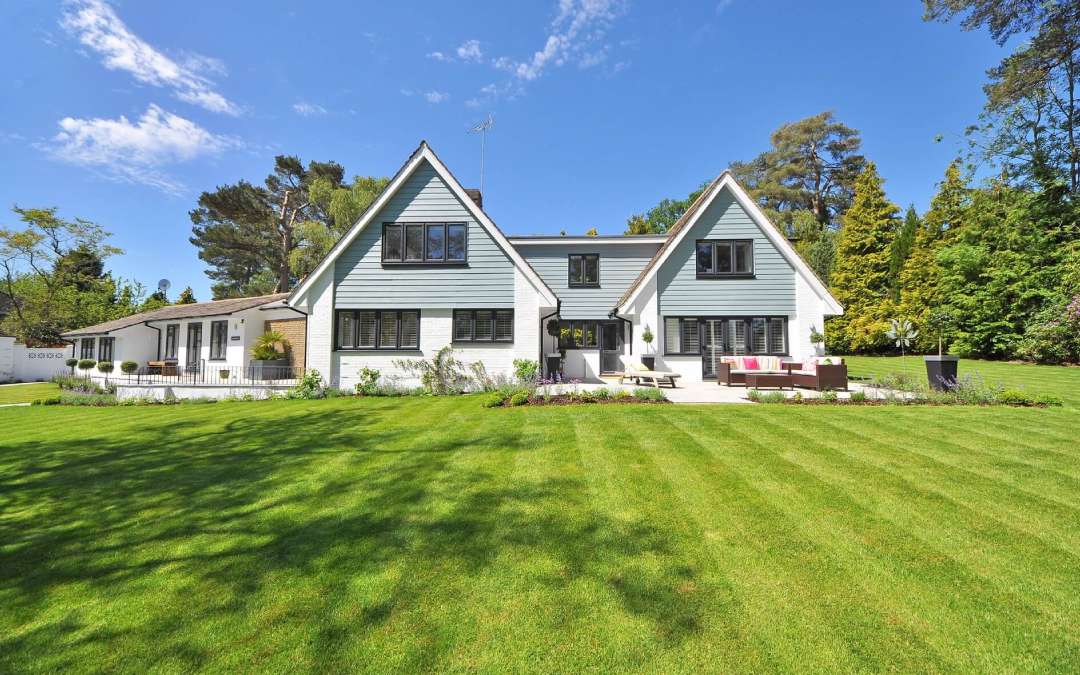
Low-maintenance landscaping is all about creating an outdoor space that looks beautiful without demanding constant time, effort, or expense. For homeowners juggling busy schedules, the appeal is obvious: a yard that thrives with minimal upkeep. Whether it’s reducing mowing time, limiting watering needs, or choosing plants that practically take care of themselves, low-maintenance landscaping offers a practical and stylish solution. Instead of spending weekends battling weeds or trimming hedges, this approach focuses on smart design choices. The goal is to work with nature, not against it, by selecting the right materials, plants, and layout from the start.
Designing a Low-Maintenance Landscaping Plan That Works
A successful low-maintenance landscaping plan begins with thoughtful design. The layout should minimize high-effort areas like large lawns or intricate flower beds that require constant care. Simplicity is key. Clean lines, defined spaces, and intentional plant placement make a yard both attractive and easy to manage. Hardscaping plays a major role here. Incorporating elements like stone pathways, gravel beds, patios, and decking reduces the amount of greenery that needs regular attention. These features not only cut down maintenance but also add structure and visual interest. Another important consideration is irrigation. Installing efficient watering systems, such as drip irrigation, ensures plants get what they need without daily manual watering. This saves time and helps conserve water.
Choosing Plants for Success
Plant selection is one of the most critical factors in achieving low-maintenance landscaping. Native plants are often the best choice because they are naturally adapted to the local climate and soil conditions. This means they require less water, fertilizer, and overall care. Perennials are another excellent option. Unlike annuals, which need to be replanted each year, perennials come back season after season. Shrubs and ornamental grasses also provide long-lasting beauty with minimal upkeep. It’s also wise to avoid plants that are prone to pests or diseases, as these can quickly turn into high-maintenance headaches. Opting for hardy, resilient varieties ensures a more hands-off experience.
Materials That Support Low-Maintenance Landscaping
The materials used in a yard significantly impact how much maintenance it requires. Mulch, for example, is a simple yet powerful tool. It helps retain soil moisture, suppresses weeds, and regulates temperature, reducing the need for constant watering and weeding. Gravel and decorative stones are excellent alternatives to grass or high-maintenance ground cover. They provide a clean, modern look while eliminating the need for mowing or fertilizing. Artificial turf is another option gaining popularity among homeowners who want the look of a lush lawn without the upkeep. While it requires an upfront investment, it will save time and money in the long run.
Maintaining Your Low-Maintenance Landscaping
Even the best low-maintenance landscaping design needs occasional care, but the workload is significantly lighter. Seasonal check-ins can keep everything looking its best without becoming overwhelming. In spring, focus on light pruning and refreshing mulch. Summer may require some watering adjustments, especially during dry spells. Fall is ideal for trimming back perennials and preparing plants for cooler weather. Winter typically involves minimal activity, making it the easiest season for yard care. By spreading out small tasks throughout the year, homeowners will avoid large, time-consuming projects.
Common Mistakes to Avoid
One common mistake is overcomplicating the design. Too many plant varieties or intricate layouts increase maintenance rather than reduce it. Keeping things simple ensures the yard remains manageable. Another pitfall is ignoring soil quality. Healthy soil supports strong plants, which naturally require less care. Investing in soil preparation at the beginning could prevent problems later. Finally, underestimating plant growth may lead to overcrowding, which increases pruning needs. Proper spacing allows plants to thrive with minimal intervention.
Frequently Asked Questions (FAQs)
What is the easiest type of landscaping to maintain?
The easiest type of landscaping combines native plants, mulch, and hardscaping elements. Reducing lawn size and choosing drought-tolerant plants significantly lowers maintenance needs.
Does low-maintenance landscaping mean no maintenance?
Not exactly. Low-maintenance landscaping reduces the time and effort required, but occasional tasks like pruning, watering, and seasonal clean-up are still necessary.
Is low-maintenance landscaping expensive to install?
Initial costs vary depending on materials and design choices. While some elements like hardscaping or artificial turf may cost more upfront, they often lead to long-term savings in time, water, and maintenance expenses.
Can a low-maintenance yard still look attractive?
Absolutely. With the right design, plant choices, and materials, a low-maintenance landscaping yard can be just as beautiful as a traditional high-maintenance garden.
How can homeowners start transitioning to low-maintenance landscaping?
Start small by replacing high-maintenance areas with easier alternatives. Swap out some lawn space for gravel or native plants, and gradually incorporate more low-maintenance features over time.
Homeworx Services Inc. provides professional home inspections to homeowners and homebuyers in Northern Virginia. Contact us to request our services.